
What should you check before accepting a Bali villa?
A villa is not ready for handover because the photographs look finished. Completion needs a room-by-room defect review, working systems, verified records and a clear process for anything still outstanding.
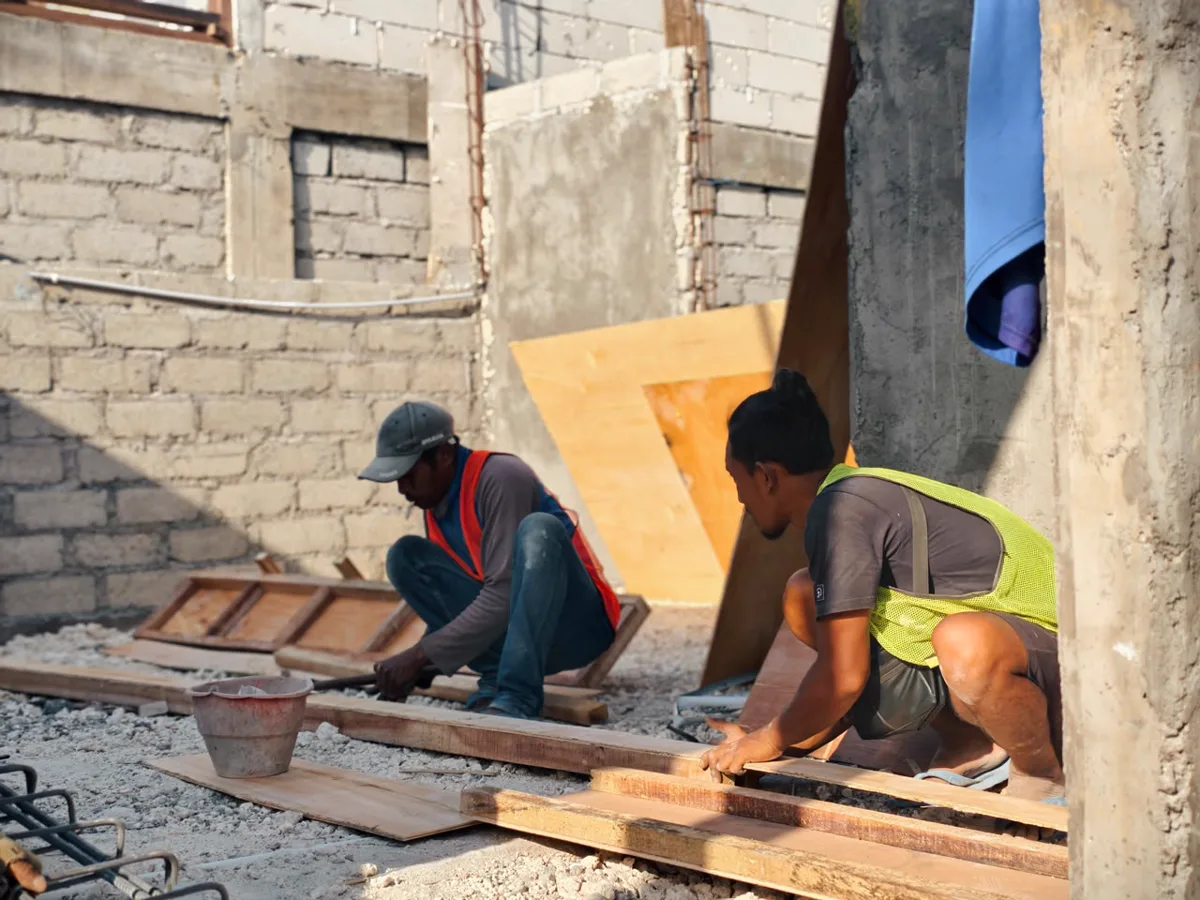
Before accepting a Bali villa, compare the completed work with the current contract drawings, specification, BOQ and approved samples; inspect every space and external area; complete the required tests and commissioning; record defects by exact location with responsibility and target dates; reconcile variations and the final account; and collect as-built drawings, warranties, manuals, approvals, keys and supplier contacts. Tie practical completion, final payment and retention release to the written contract rather than visual appearance alone.
Snagging is a process—not one final walk
Quality control should run through samples, inspections, testing and progressive area reviews. The final snag list then captures remaining defects and incomplete work; it should not be the first time the owner discovers how the villa was built. Define inspections and hold points in the contract and programme from the start.
Confirm the completion standard first
A defect can only be judged against an agreed requirement. Resolve conflicts between documents before issuing a final list.
- Contract and latest signed amendments
- Current drawing and revision register
- Specification and approved material schedule
- Priced BOQ and approved variations
- Approved samples, mock-ups and benchmark rooms
- Testing, commissioning and handover requirements
- Responsibilities for approvals and professional certificates
1. Create a traceable snag list
Avoid vague items such as ‘finish bathroom’. One item should describe one location and required outcome so it can be checked and closed without argument.
- Unique item number
- Building, floor, room and exact location
- Clear description of the defect or incomplete work
- Photograph with date and scale where useful
- Drawing, specification or sample reference
- Responsible party and agreed corrective action
- Target date, status and closure evidence
2. Inspect structure and building fabric
A visual handover inspection does not certify structural adequacy or concealed systems. Obtain the required records and professional sign-offs from the parties responsible for those scopes.
- Visible cracks, movement or unfinished repairs referred to the responsible professionals
- Roof, flashings, gutters and drainage routes
- External walls, render, paint and sealant joints
- Windows, doors, thresholds and weather seals
- Terraces, balconies, stairs, rails and external levels
- Waterproofing test and repair records before concealment
3. Check every interior finish
Review finishes under natural and installed lighting from normal use positions. The acceptance standard should follow the contract, approved sample and appropriate product guidance—not an undefined idea of perfection.
- Wall and ceiling flatness, cracks, patching and paint
- Tile alignment, lippage, grout and edge details
- Floor transitions, levels, movement and damage
- Stone veining, chips, sealing and junctions
- Joinery alignment, hardware, edges and internal finish
- Glass, mirrors, sanitary accessories and protection removal
4. Test doors, windows and joinery
Open and close every leaf, drawer and sliding panel. Check locks, stops, seals, drainage, handles, soft-close mechanisms and clearances. Confirm external openings manage rain as designed and that keys or access credentials are labelled and complete.
5. Test plumbing and wet areas
A short tap test cannot prove concealed pipework or waterproofing. Review the required test results, inspection records and maintenance access with the responsible specialists.
- Fixtures operate and drain correctly
- Visible connections are dry
- Hot and cold services reach the intended outlets
- Floor falls direct water to drains
- Traps, odour control and access panels are present
- Waterproofing and pressure-test records are included
- Water heaters, pumps and tanks are commissioned
6. Test electrical, lighting and controls
Electrical safety and certification belong to appropriately qualified and appointed parties. Record any missing test or label as an open handover item.
- Distribution boards and circuits labelled
- Lights, switches, sockets and dimming operate
- Protective devices and earthing records provided by the responsible electrician
- Exterior, landscape and wet-area equipment checked
- Internet, security, access and automation demonstrated
- Spare components, remote controls and credentials handed over
7. Commission air-conditioning and ventilation
Operate each unit and control, confirm drainage, filters, access and airflow, and collect commissioning records. Bathrooms, kitchens, plant rooms and enclosed joinery may need ventilation checks. Provide operating and maintenance instructions to the owner or villa manager.
8. Commission pools, spas and water systems
Pool systems combine structure, waterproofing, hydraulics, electrical equipment and maintenance. Closure needs the records and demonstrations required from each responsible specialist.
- Pumps, filtration and controls demonstrated
- Leaks, water level and overflow operation checked
- Drainage and plant-room access verified
- Lights and electrical protection documented
- Water treatment and start-up information handed over
- Specialist warranties and service contacts recorded
9. Review external works and landscape
Inspect surface drainage, levels against the building, paths, steps, walls, gates, lighting, irrigation and planting. Confirm that soil, planters or irrigation do not bridge waterproofing details or block outlets. Record maintenance requirements and incomplete establishment work separately.
10. Verify testing and commissioning
The relevant project professionals should define the required test methods, acceptance criteria and certification. Element does not replace specialist or statutory sign-off.
- Waterproofing and leak-test records
- Plumbing pressure and drainage tests
- Electrical test and responsible-party documents
- Air-conditioning start-up and commissioning
- Pool and equipment commissioning
- Door, window or façade tests where specified
- Defect repairs and required retests
11. Collect the handover file
Check that files are readable, current and organised by system or room. A future operator should be able to find a shut-off valve, warranty or replacement product without returning to the tender documents.
- Approved as-built architectural and services drawings
- Final material, finish and equipment schedules
- Operation and maintenance manuals
- Product, installer and specialist warranties
- Inspection, test and commissioning reports
- Applicable approvals and professional certificates
- Supplier, installer and emergency contacts
- Keys, remotes, passwords and access credentials
- Photographs of concealed services where provided
12. Reconcile the final account
Compare the original BOQ, approved variations, omissions, provisional sums, previous payments, deductions and agreed retention. Reject unexplained additions and duplicate material claims. The final account should show the completed commercial position before final payment is released.
13. Define practical completion carefully
Practical completion usually means the villa can be used for its intended purpose while minor defects remain, but the exact definition belongs in the project contract. Agree which outstanding items prevent completion, who signs the record, when responsibilities change and what evidence starts any defects period.
14. Close defects and release retention
Track every snag through correction, reinspection and documented closure. The contract should state the defects period, response times, access, deductions and retention-release stages. Do not release the remaining leverage simply because a contractor says the list is complete.
Handover red flags
- Pressure to accept before systems are demonstrated
- Snag list has no location, owner or closure evidence
- Latest drawings and variations are missing
- Tests are promised after final payment
- As-built drawings simply duplicate design drawings
- Warranties are unsigned, incomplete or not transferable
- Keys and system credentials are unlabelled
- Final account contains unapproved extras
- Retention release requested before defects conditions are met
Connect handover to the payment schedule
The construction payment schedule should define the value linked to practical completion, the documents required for final payment and the amount retained for defect obligations. Element's separate design-fee schedule remains 40% at appointment, 40% after the agreed 3D stage and 20% after the agreed drawing package.
Hitomi Villa: documenting the journey
Hitomi Villa is presented through design renders, drawing excerpts and real work-in-progress photographs labelled separately. This creates a traceable journey toward completion, but the final case-study visuals will not replace the project snag list, test results, as-built records, warranties and commercial closeout.
Before accepting the keys
- Inspect every room and external area
- Witness or review required tests
- Agree practical-completion status in writing
- Receive the complete handover file
- Reconcile the final account and approved variations
- Record open defects, dates and responsibility
- Preserve contract retention until release conditions are met
Common questions
What is snagging for a Bali villa?
Snagging is the structured identification, recording, correction and closure of defects and incomplete work against the contract drawings, specification, BOQ and approved samples. It should continue through construction and final handover.
When should I snag a new villa?
Use progressive inspections during construction, a detailed review before practical completion, reinspection after corrections and any further review required by the defects provisions. Do not wait until every finish hides the work.
What documents should I receive at villa handover?
The project-specific package commonly includes as-built drawings, schedules, manuals, warranties, inspection and test reports, commissioning records, relevant approvals or certificates, supplier contacts, keys and access credentials.
Should final payment be made before snagging?
Final payment should follow the completion, defect, handover and final-account conditions written in the contract. Avoid releasing all commercial leverage before the required inspection, records and agreed corrections are complete.
What is the difference between practical completion and final completion?
The exact definitions depend on the contract. Practical completion commonly allows intended use while minor defects remain; final completion normally follows the agreed defects and closeout requirements. Obtain project-specific legal and professional advice.
What are as-built drawings?
As-built drawings record the relevant installed arrangement after construction and approved changes. They should not merely duplicate the original design issue if the site work changed.
Can Element inspect and certify the whole villa?
Element can provide an agreed design and site-review scope. Structural, MEP, waterproofing, equipment, statutory and other specialist certifications remain with the appropriately qualified and appointed responsible parties.